
There are more chess games than atoms in the observable universe

There are more chess games than atoms in the observable universe

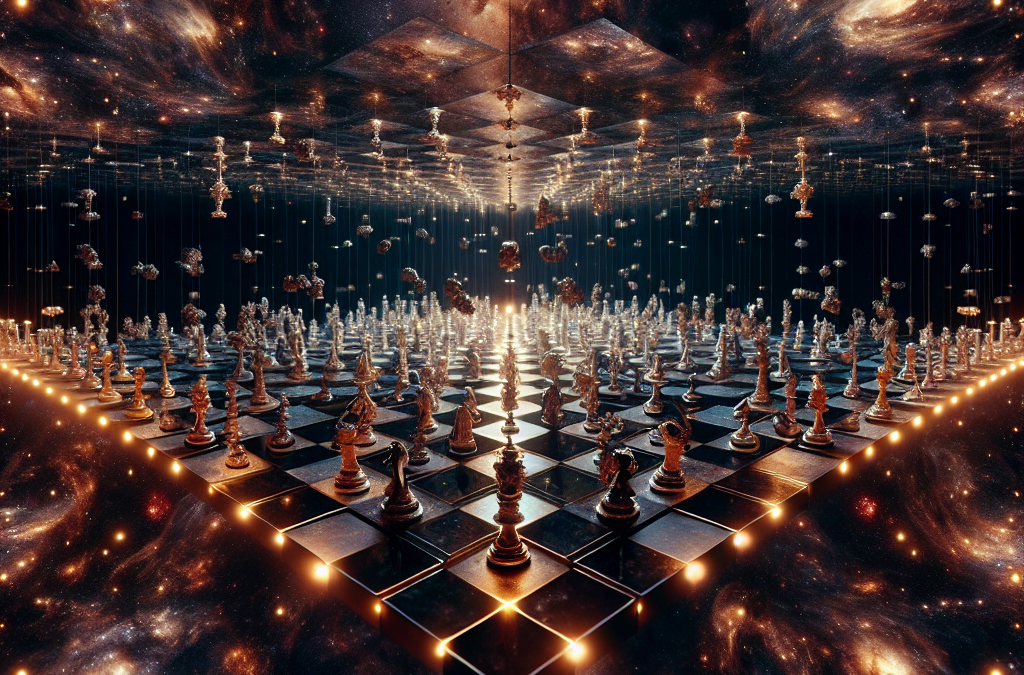
Did you know that the number of possible chess games far exceeds the number of atoms in the observable universe? This fascinating fact emerges from the sheer complexity and potential of the 64-square board with its 32 pieces. While the mechanics of chess might seem simple at first glance, each move branches into countless possibilities, transforming the game into one of the most intricate human endeavors.

To put this into perspective, the observable universe contains approximately 10^80 atoms. Meanwhile, the possible number of combinations and sequences of a standard chess game, known as the “Shannon Number,” is estimated to be around 10^120. This number is incredibly vast and yet almost unfathomable. It highlights not only the depth and richness of chess as a strategic pursuit but also why it’s a persistent challenge for even the most advanced computers and algorithms to master perfectly.

This mind-boggling fact serves as a humbling reminder of the vastness of possibilities in just one small aspect of life. Whether you’re a seasoned grandmaster or a curious beginner, each game of chess offers a unique journey, rich with strategic choice and countless potential paths, always encouraging players to think several moves ahead and fostering a continued passion for the ancient game.
Humans share DNA with bananas

Humans share DNA with bananas

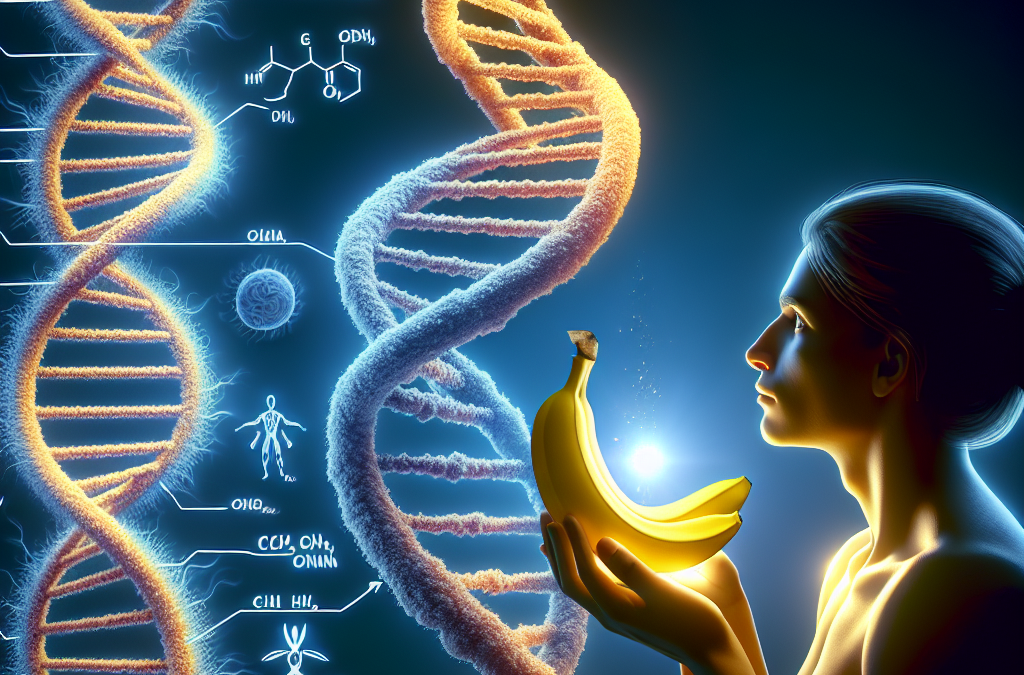
Did you know that humans share about 60% of their DNA with bananas? Yes, it’s true! While at first glance it might seem surprising, this fascinating fact is a testament to the interconnectedness of all life on Earth. Bananas and humans both belong to the tree of life, and the shared genetic makeup highlights our common evolutionary paths.

The building blocks of life, our DNA, are more universal than one might think. Both humans and bananas, despite being starkly different species, rely on DNA for cell functioning and survival. The similarities in our genetic codes reflect fundamental biological processes that are necessary for life’s continuity. Through exploring these genetic parallels, we gain insight into how various organisms – including humans and bananas – have adapted and thrived within their environments over millions of years.

From a practical perspective, this genetic similarity has implications in scientific research, particularly in genetic studies and biotechnology. By understanding how genes function across different species, scientists can make breakthroughs in areas such as medicine, agriculture, and environmental sustainability. Next time you enjoy a banana, take a moment to appreciate this unexpected connection. After all, in the grand scheme of things, we’re really not so different!