Jan 11, 2026 | Nature
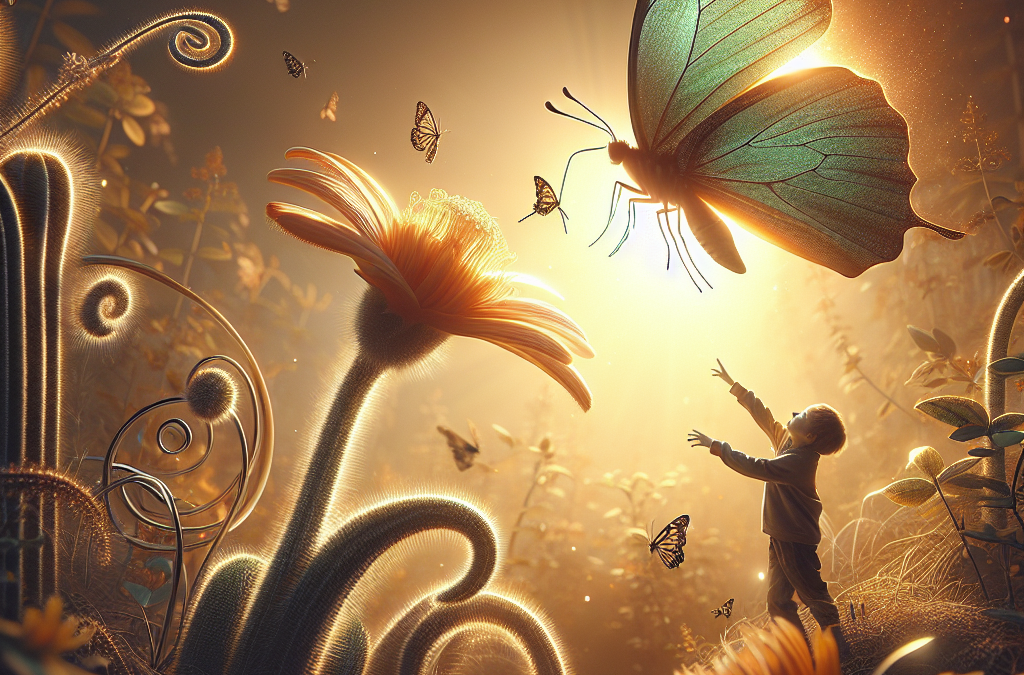
When we think of tasting, our minds usually conjure up images of delicious foods melting on our tongues, but for butterflies, tasting is a whole different ball game. These delicate creatures have captivated humans for centuries with their vibrant colors and gentle fluttering, but there’s more to them than meets the eye. Did you know that butterflies actually taste through their feet? That’s right, while we are busy jamming French fries into our mouths, butterflies are experiencing their menu items through a foot spa of sorts!
The reason butterflies have this unique tasting ability is due to the presence of chemical receptors on their feet, which help them identify and land on their preferred host plants to lay eggs. This is not just a nifty feature but an evolutionary necessity! By tasting the plants through their legs, butterflies can determine whether a particular plant is suitable for their offspring to thrive. While their proboscis might seem like the logical organ for tasting, it’s primarily used for sipping nectar rather than flavor identification.
This quirky feature enhances the life of a butterfly, making it simpler for them to find suitable conditions to start their next generation. Next time you’re in a garden marveling at these beautiful insects, remember they’re busy performing taste tests right under your nose—or rather, under their toes! Nature’s innovations can be surprisingly dazzling and, let’s face it, a little amusing. So, tread lightly, because these winged wonders are tasting their way through life’s astonishing banquet one step at a time.
Jan 11, 2026 | Nature
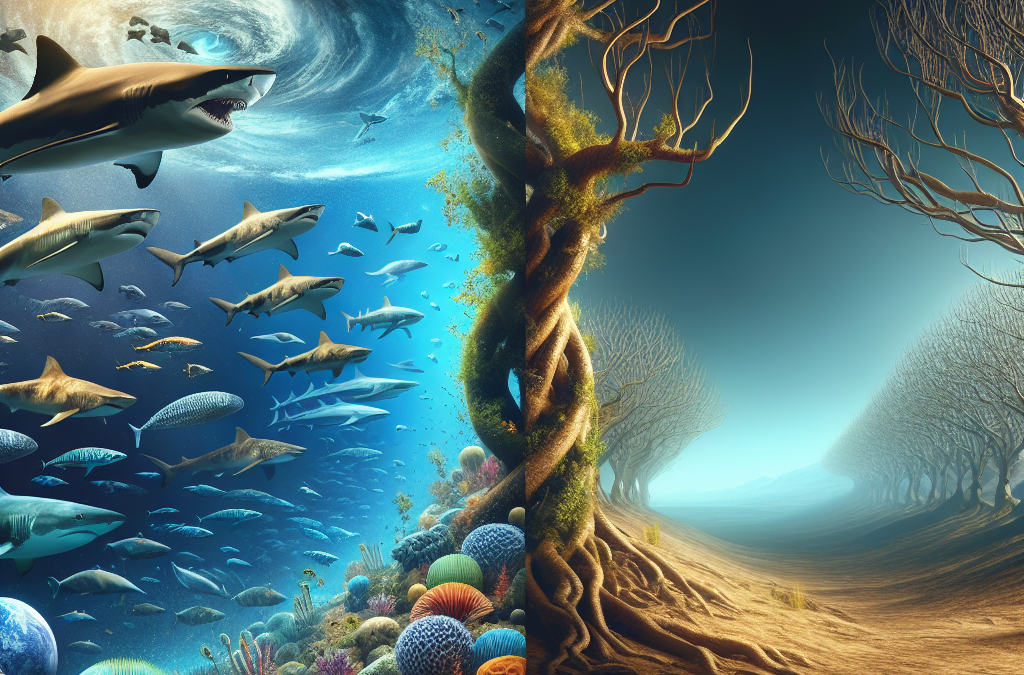
Did you know that sharks have been cruising through the ocean long before trees became a staple on Earth’s terrain? That’s right! Sharks appeared around 450 million years ago, during the Silurian period, whereas trees didn’t make their grand entrance until about 360 million years ago, in the Devonian period. This fascinating tidbit not only highlights the incredible resilience of these ocean predators but also paints a vivid picture of Earth’s prehistoric timeline.
The ancient lineage of sharks reveals a history of evolution and adaptation that has allowed them to survive through various mass extinctions and environmental upheavals. With bony fish and creatures of the deep evolving alongside them, sharks honed their predatory skills, developing sharp teeth and streamlined bodies—which remain as effective today as they were millions of years ago. This evolutionary triumph makes sharks one of nature’s most enduring inhabitants.
This comparison with trees further emphasizes the adaptive strategies required for survival. Trees, which have contributed to shaping Earth’s atmosphere and ecosystem balance, arrived significantly later, underscoring their youthful presence in the grand timeline of life. So next time you think of the ocean, remember that the impressive shark has been swimming its waters far longer than the tallest sequoia has reached for the sky!
Jan 11, 2026 | Nature
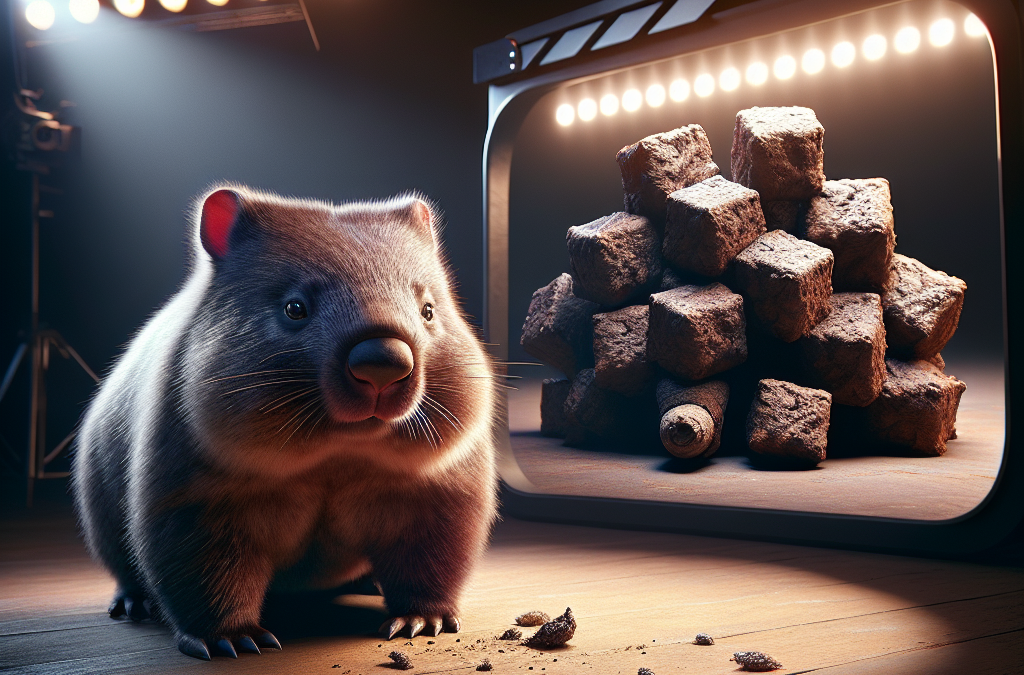
When you think of fascinating tidbits from the animal kingdom, the unique bowel movements of wombats might not be the first thing to come to mind. Yet, these adorable marsupials have a particularly intriguing quirk – their poop is cube-shaped. This curious phenomenon has captured the imagination of scientists and animal lovers alike, prompting a closer look into how and why these cuboid stools come to exist.
Wombats, native to Australia, are burrowing nocturnal animals that roam the land with a slow, determined gait. The cube-shaped feces they produce serve more than just a curiosity; it plays a crucial role in their territorial communication. The unique shape ensures that their droppings do not roll away, allowing them to mark their territory effectively. Recent studies suggest that the elasticity of the wombat’s intestine, which varies in stiffness, enables the formation of these cube shapes as they are compacted and sectioned in the final parts of the intestine.
In addition to preventing their scat from rolling off inconveniently, the cube shape also aids their nocturnal navigation by leaving robust markers on their trails. This form of locomotion helps wombats, with their relatively poor eyesight, to navigate and establish social cues within their habitat. The cube poop is resilient, like a load-bearing structure withstanding diverse weather conditions, ensuring that messages last longer on the rugged Australian terrain. Next time you think about wombats, remember, they might not just be a cute face and a furry body; they are masters of geometric pooping precision, turning what nature probably deemed a challenge into a strategic advantage!

Jan 11, 2026 | Nature
In the rich tapestry of nature’s wonders, the wombat surprises us in ways we always find astonishing. These delightful marsupials, native to Australia, have the unique distinction of producing cube-shaped poop. But how does this unusual phenomenon occur? It turns out that the wombat’s digestive process is a marvel of engineering. As food passes slowly through their long intestines, it becomes drier and more compact. Towards the end, a series of muscular contractions mold the feces into distinct, cube shapes. These cubes not only defy what we might expect from excrement but also serve a practical purpose in the wombat’s outdoor life.
Why cubes, you might ask? The answer can be found in nature’s clever design. By depositing cube-shaped droppings, wombats minimize the risk of them rolling away in their rocky and hilly habitats. This is vital, as wombats use their feces to communicate with one another. Marking territory and conveying messages about availability and identity becomes a more precise affair when these dung cubes stay put. The edges of their six-sided droppings are perfect for stacking and leaving at strategic locations. This gives new meaning to the term ‘information dump’ and showcases the profound interrelation between form and function in wildlife adaptations.
This quirky characteristic of wombats has even inspired engineers and inventors. The mechanics of how these animals produce cube-shaped feces could lead to innovative industrial applications where consistency and variety of shape are crucial. From design to production, understanding the wombat’s biological processes is influencing new ways of thinking about materials and manufacturing. Beyond just an odd fun fact, wombat poop encapsulates a remarkable aspect of animal genetics and behavior that continues to fascinate both scientists and the curious minds among us.